The pin-up embodies a woman striking an alluring pose whose image ends up pinned to the wall. This practice gave rise to the term "pin-up girls" in English, from which these icons take their lasting name.
Although the concept was born at the turn of the century under the name "Gibson girl", after its creator, the first recorded use of the term "pin-up" dates back to 1941. Alongside them, pin-up boys created by the female illustrators Joyce Ballantyne, Pearl Frush and Zoë Mozert also had their moment of glory.
The 1930s marked a decisive turning point. Advances in photography and printing created a new market: that of the eroticised image. Curvaceous young women, dressed in skimpy outfits, struck poses that were sometimes daring while maintaining an impeccably glamorous style.
The Portrait of the Ideal Woman
Their creators conceived of the pin-up as the perfect representation of the ideal woman. Beautiful and attractive, these women seduced without ever appearing vulgar. They perfectly symbolised the image of the femme fatale and celebrated feminine splendour.
Their figures obeyed precise canons: a slim waist, a high bust, perfectly styled hair. A pin-up never appeared dishevelled. Her cat-like eyes and vermilion-red mouth completed this portrait of perfection.
These images found their place in newspapers, magazines, calendars, art cards and collectable stickers, which contributed greatly to their popularisation. They accompanied American soldiers during the Second World War, notably the aircraft crews who kept them on their fuselages. Later, they decorated the cabs of lorry drivers in the 1970s.
The golden age of these beauties fell in the 1940s and 1950s, mainly in the United States. Among the emblematic illustrators, Alberto Vargas held pride of place. This Peruvian, who settled in the United States in 1916, saw his creations published in Esquire magazine before collaborating for 16 years with Playboy.
Hollywood Forges Its Goddesses
The 1940s coincided with the golden age of American cinema. Hollywood shaped new stars whose names promised to endure through the centuries. These young actresses often came from modest or middle-class backgrounds. They bore ordinary names and had ordinary faces.
When one of them kindled a certain spark, a flourishing career became conceivable. That little something, however, was not enough. A complete transformation was required. Each embodied one facet of the male fantasy: sensual, sultry or ingenuous. The imperative remained the same: to please at all costs.
Rita Hayworth: The Blazing Redhead
Original name: Margarita Carmen Cansino
Rita grew up in a bohemian Latin American family. During her childhood, she toured cities with her father for singing and dancing shows. Her dream: to conquer Hollywood.
When she left the family cocoon to pursue her goal, disillusionment came quickly. Producers judged her too plump, too dark, too ethnic-looking. Her forehead seemed too narrow to them. Tossed from studio to studio, she was about to give up when her husband offered her a contract. On one condition: to remake her appearance completely.
Margarita accepted, and Rita Hayworth was born in pain. She underwent cosmetic surgery to slim the oval of her face by having her molars pulled out, hair implants, bleaching, a draconian diet, elocution lessons and deportment classes. She endured all these ordeals to make her dream come true.
A seductive, mischievous and joyful beauty appeared on screen. Men fell under her charm. Her historic performance in "Gilda" gave birth to a sex symbol. The scene in which she wears a black sheath dress and sings "Put the Blame on Mame" while slowly peeling off her glove remains etched in people's memories.
Ava Gardner: The Sultry Brunette
Original name: Ava Lavina Gardner
One of seven children, Ava grew up surrounded by love on a tobacco plantation. During her childhood, she was a real tomboy. A few years later, while visiting her married sister, her brother-in-law noticed her and worked to make her known.
Like Rita Hayworth, she came in for the studios' criticism about her appearance. Unlike her fellow actress, she refused cosmetic surgery, refused to alter her eyebrows or change the colour of her hair. Her resistance eventually bore fruit. She kept her natural beauty, which made her a true femme fatale.
Her only concession to the producers concerned her diction. She worked to soften her strong South Carolina accent. In "The Killers", she played a devastating beauty with her undulating hips and plunging neckline. She set the male world ablaze simply by leaning back against a piano.
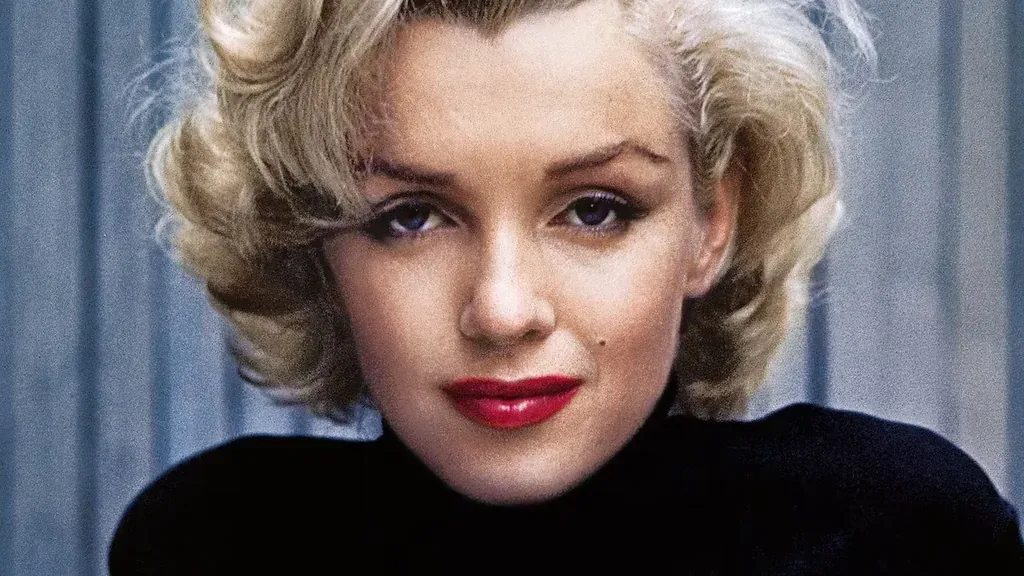
Marilyn Monroe: The Ingenuous Blonde
Original name: Norma Jean Baker
Marilyn Monroe probably suffered most from the torments of fame. When she arrived in Hollywood, she cruelly lacked self-confidence. She had to endure the studios' criticism of her person.
In the hope of reaching stardom, Marilyn accepted a diet, cosmetic surgery on her cheekbones and nose, and the implantation of a beauty spot. She also changed the colour of her hair. It underwent so much peroxide bleaching, dyeing and caustic-soda straightening that, for her final films, only a wig remained possible.
Her appearance became very sexy, but her fragility remained very real. That combination was her charm. People remember her delicacy in "Some Like It Hot" and the scandalous image of her dress billowing over a subway grating in "The Seven Year Itch".
The Icon of an Entire Generation
Rita Hayworth perfectly illustrates the celebrity turned pin-up. Nicknamed "the love goddess", she married Orson Welles and then Prince Aly Khan in succession. Fresh and sparkling, she represented an ideal that made men dream. With her, the femme fatale of the 1940s was born.
In 1941, a photograph by Bob Landry showing her kneeling on her bed, wearing a satin-and-lace negligee, made the cover of Life magazine. She won considerable popularity with the American GIs fighting in the Second World War. Along with Betty Grable, she became one of the pin-ups most popular with the soldiers.
Rita took part in the Hollywood Canteen and danced in the arms of the GIs. In 1943, she embarked on a major tour, visiting hospitals and military bases to lift the troops' morale. She was often seen alongside Marlene Dietrich.
Thanks to these screen stars, pin-up culture took firm root. They were fully aware that they made generations of men dream. Even the sultry Marilyn Monroe played along. Luminous, smiling, childlike, she nonetheless feared disappointing: "I am always frightened when someone praises me, because, oddly, it makes me suffer and stirs up new apprehensions in me — that all of it is an accident, and it is even likely that it was not me at all."
A Contemporary Revival
For some time now, we have been witnessing a renewed interest in these 1940s muses. Every era has its representative model. The idea runs through the ages: to magnify generous feminine curves without vulgarity.
Fashion, artists and magazines regularly bring the pin-up back into fashion. Christina Aguilera and Katy Perry at one point took up the image and look of 1940s women. Dita Von Teese has made this movement her personal signature. This American fetish icon — dancer, model and burlesque specialist all at once — cultivates and popularises the fascination with the retro look. She brings back into fashion the glamour of the actresses of Hollywood's golden age.
Whatever the role assigned to her — housewife, secretary or nurse — woman finds an elegant illustration in the pin-up, which transcends the ages and continues to fascinate through its unique blend of sensuality and class.
Timeline: The Major Stages of the Pin-Up
| Period | Key stage |
|---|---|
| Early 20th century | Birth of the concept under the name "Gibson girl" |
| 1930s | Rise of photography and printing: birth of the market for the eroticised image |
| 1941 | First recorded use of the term "pin-up"; Life magazine cover with Rita Hayworth |
| 1940s–50s | Golden age of the pin-up in the United States, driven by illustrators such as Alberto Vargas and the Hollywood stars |
| 1970s | Pin-ups decorate the cabs of lorry drivers |
| Present day | Dita Von Teese, Christina Aguilera and Katy Perry bring the pin-up look back into fashion |