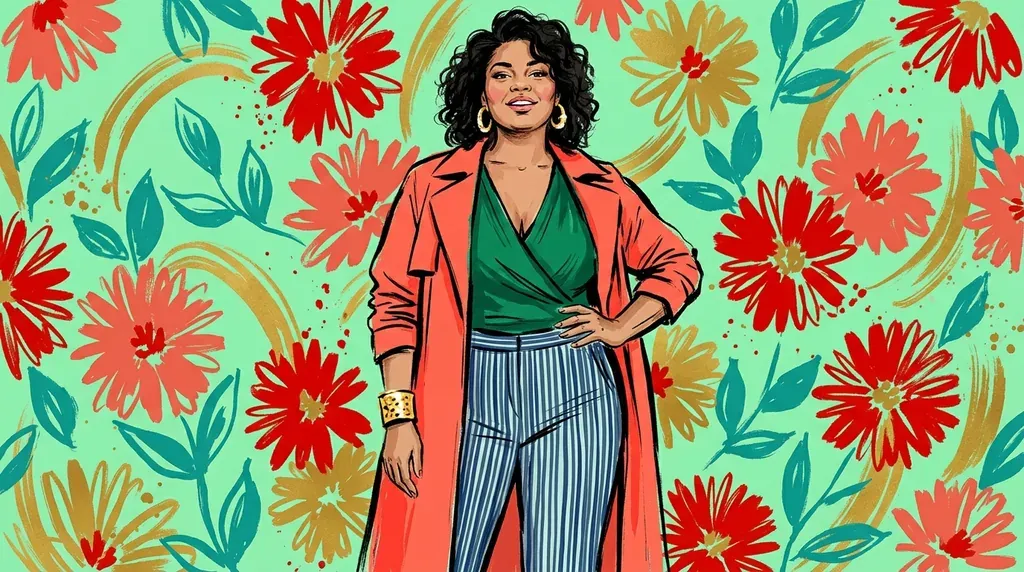
Being the queen of style means above all avoiding a few classic missteps: badly kept eyebrows, flesh-coloured tights, poorly chosen leggings, accessories in excess. Here are the precepts to know in order to stay stylish in every circumstance.
Eyebrows
Try as far as possible to respect your natural shape. Do not pluck them too much, do not redraw them any which way, do not tattoo them. Even if bushy brows are in fashion, trim them to give them structure.
Flesh-coloured tights
To be avoided at all costs, for the simple reason that it is very hard to find a pair that works: shiny tights have a plastic effect, opaque tights have a granny effect, dark tights match no skin tone. Better to replace them with black or nude tights, taking care that there is no sheen in the fabric.
Jersey leggings
This garment, often worn under a tunic, thickens the legs too much without shaping them: fuller women will look fuller and slimmer ones will end up with spindly legs. Better to opt for opaque tights under a long tunic, or skinny jeans if the tunic is short. In every case, if the bottom half is very tight-fitting, the top must not leave the bottom on show.
Mismatch your outfits
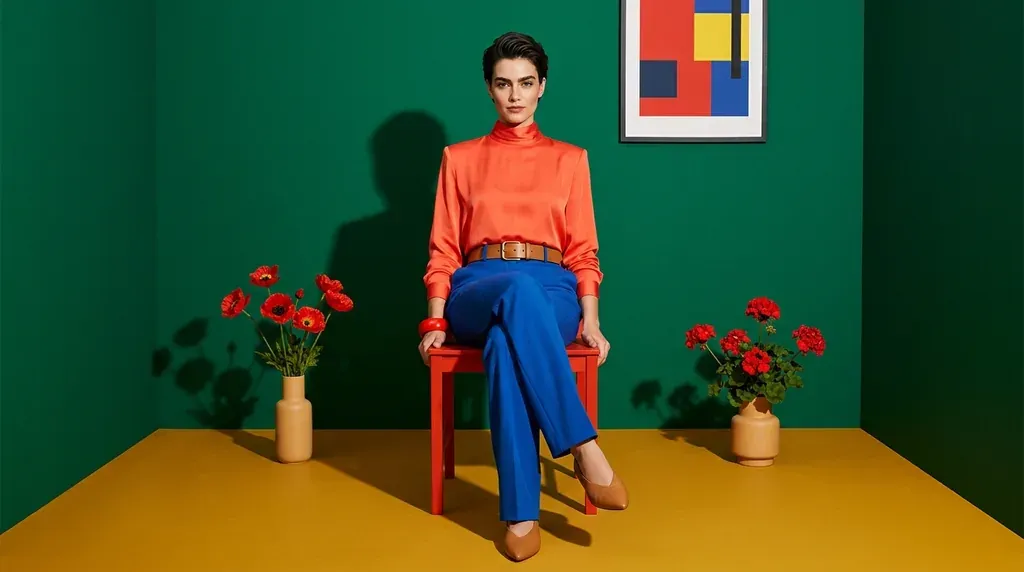
Match every element of an outfit too closely — clothes to accessories — and you'll end up with a boring look. Dare to vary colours and textures while keeping a common thread: play on the small details that will serve as echoes, without forcing an overdose of coordination.
Take care over the choice of your accessories
Wearing too many kills the very beauty of the accessory. For big-size pieces, choose a single one that will dress the whole outfit; or combine several small, pretty details without turning into a Christmas tree. It's all a matter of balance.
Colour blocks
Out of a wish for restraint or sophistication, you might choose to dress in a single dark colour — that's perfectly fine, but you have to be able to “read” the garment to understand its cut. If a single block colour dominates, you can no longer make out the garment's shape. Conversely, a busy print paired with a heavy necklace also blurs the message: aim for visual balance in your overall look.
Frills, the H-shaped waist and proportions
Frills are never flattering on fuller women; they thicken all the more. For those who have an H-shaped waist — with no natural definition — avoid drawing attention to it with your clothes: all that will be seen is the width; play instead with volumes that don't emphasise it.
For accessories, respect your proportions: larger women will choose big jewellery (small pieces would not show), short women will avoid big bags (they'll get lost inside them), tall women will avoid small bags (the bag will look like a coin purse).
Low-cut shoes
For women who have heavy legs, avoid shoes that cover the ankles: they accentuate the thickness of the legs and make them look heavier. Opt instead for low-cut shoes, which leave the foot free and make the whole leg look lighter.