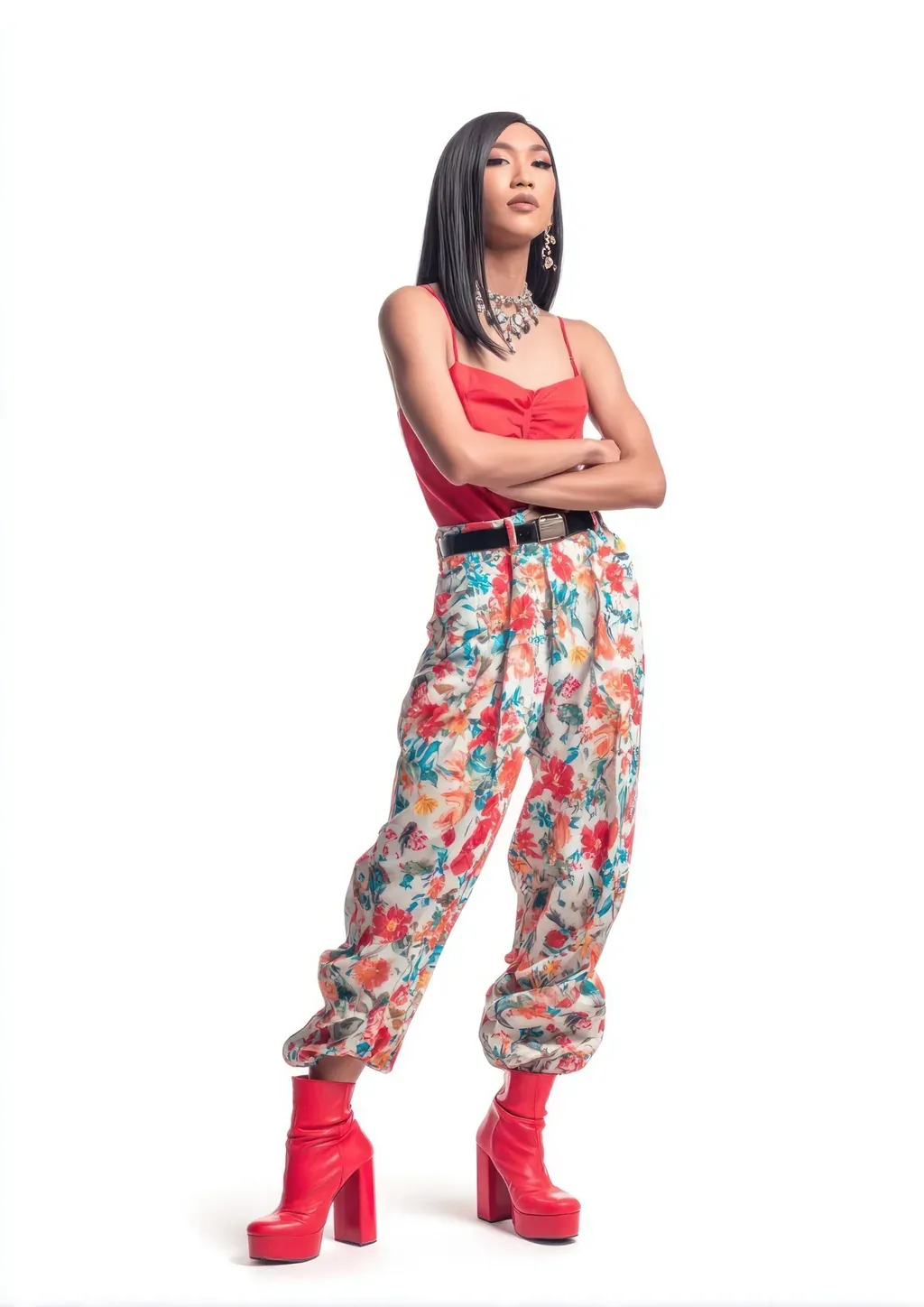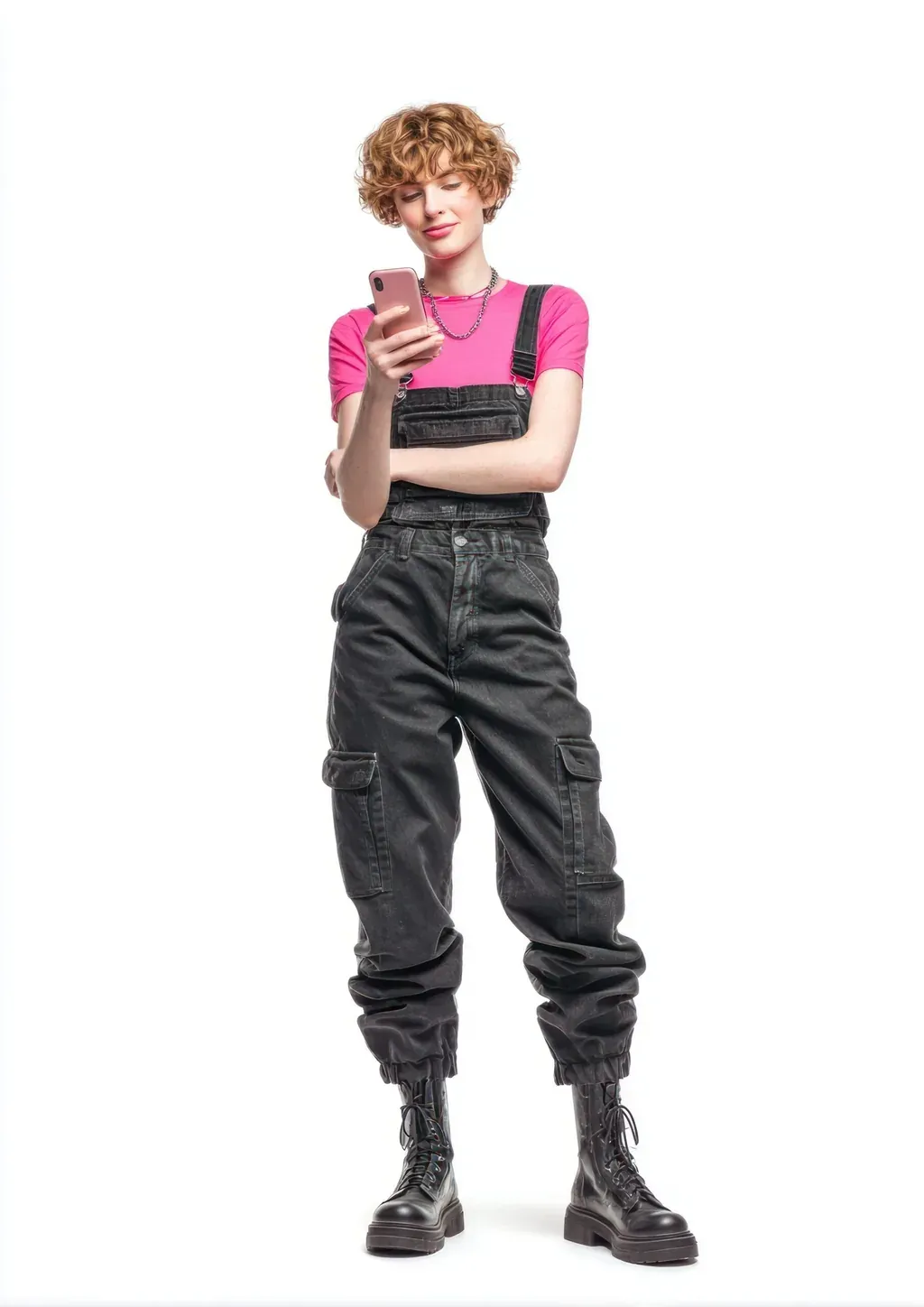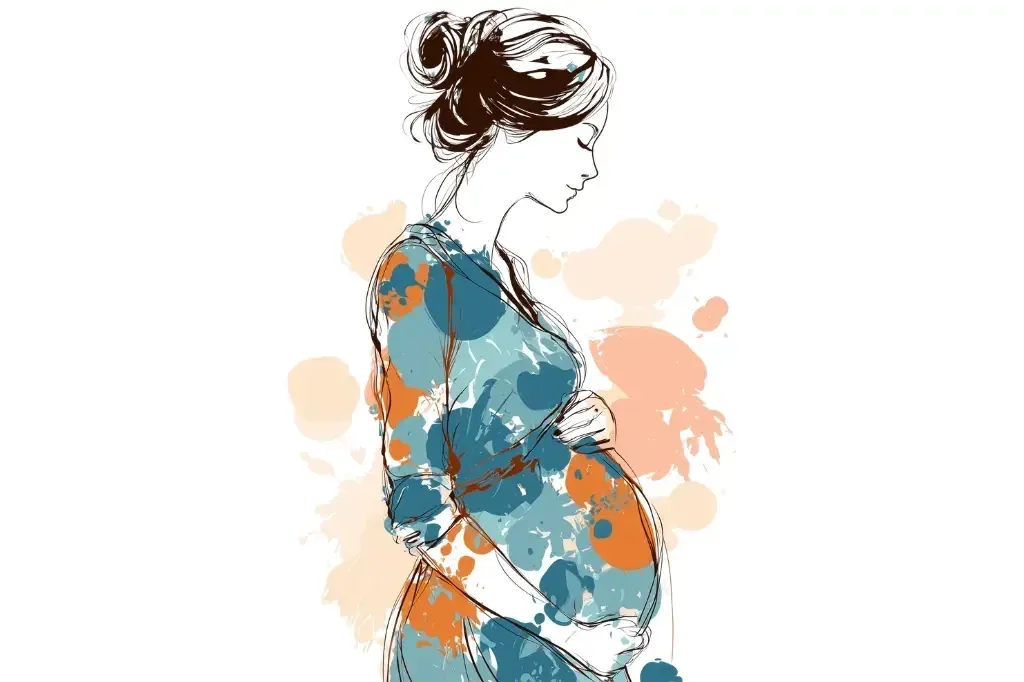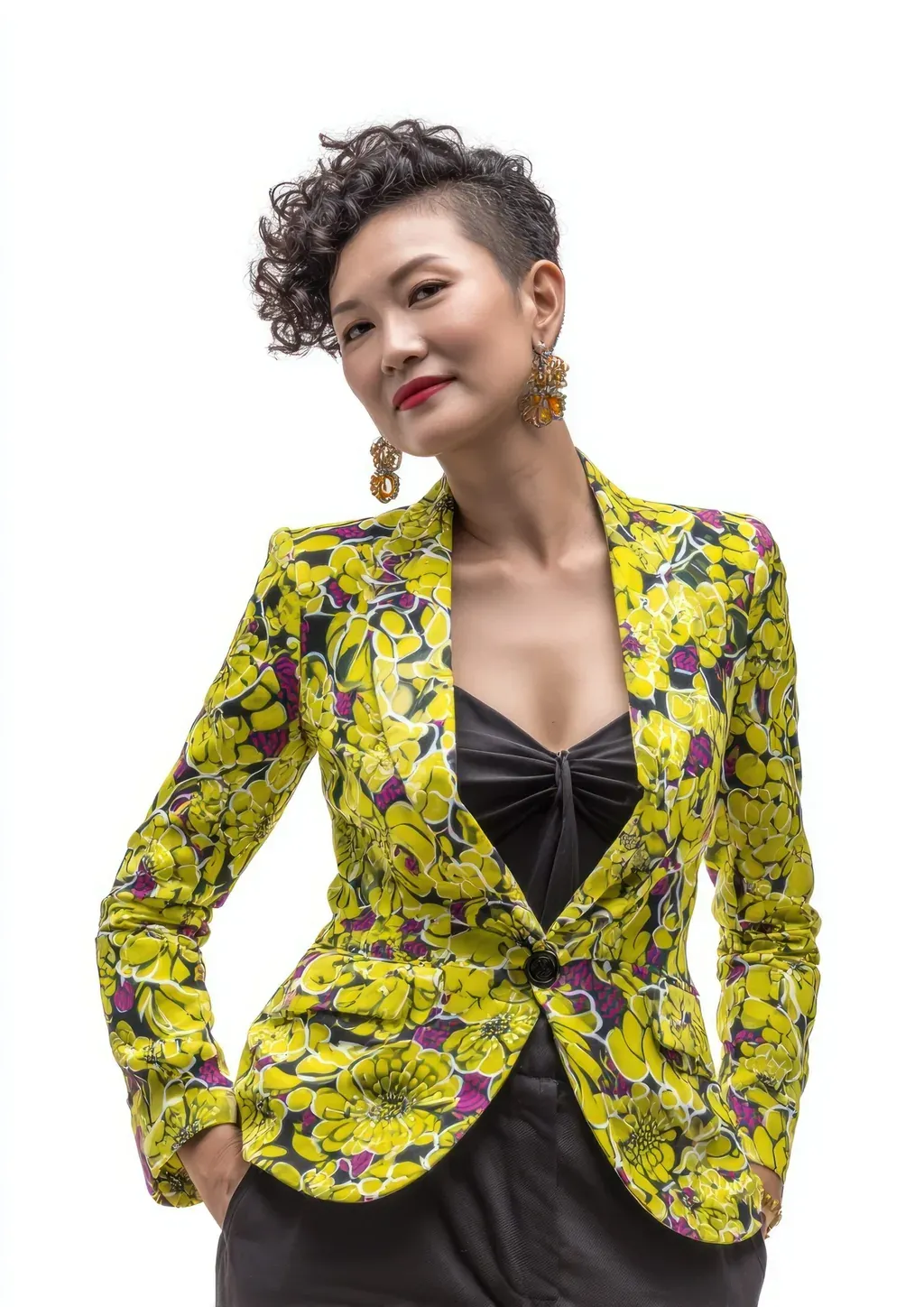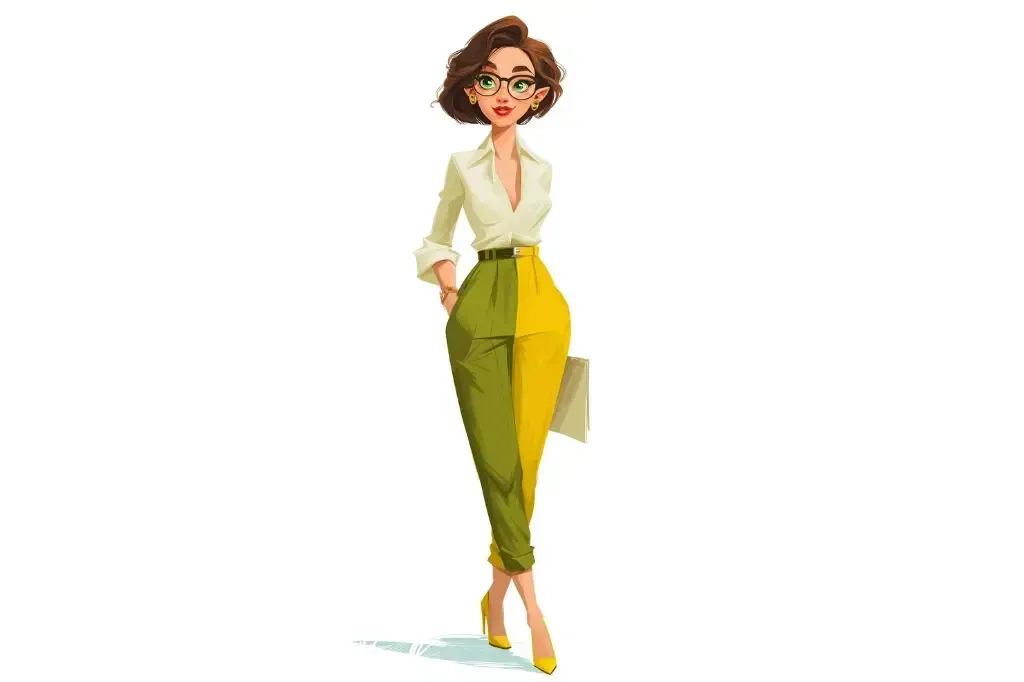
A full bust, a rounded stomach and hips, soft shoulders and thighs: this is the O-shaped figure. Generous and feminine, it comes into its own with a few simple rules of cut, fabric and colour, easy to carry into everyday dressing.
Why cut matters
There is no need to disappear into boyfriend styles to hide your shape: clothes cut to your size serve you far better. The rule to hold on to is to favour pieces that flatter the vertical line — a V neckline, straight-leg trousers, an open jacket — which pull the silhouette together and lengthen it through a trompe-l'œil effect. If your hips bother you while your waist is well defined, choose trousers or a skirt cut straight; if it is the stomach, go for straight tops with a boat neck, worn with an A-line skirt with no pleating. A vertical line does not mean a monolithic block: the icons of the 1950s such as Marilyn Monroe, and today's plus-size models, remain good style references.
The basics to respect
Fabrics that flatter
Go for fluid fabrics so nothing draws a line around the back or the stomach. Jersey works beautifully for dresses and tops, which fall perfectly and cover the love handles. For jeans and trousers, choose close-fitting fabrics with elastane, which shape the curves and stay comfortable.
Be bold with jeans
With round knees, skinny jeans are best avoided; with a rounded stomach, so is a low waist. Straight jeans in raw denim make the legs look slimmer, and bootcut styles, slightly flared at the bottom, cover stronger calves.
Choosing colours
Dress the part of the body you want to draw the eye to in white or in colour; dark, matt shades remain a safe bet, as shine tends to underline curves. Think emerald green, midnight blue, browns and burgundy to play on harmony of tone, and original shoes to break the severity of an all-black look. Steer clear of flashy colours, which thicken and add volume; touches of colour also work as accessories.
Shoes worth choosing
Keep ankle boots away from skirts and save them for trousers. Shoes with a thick heel and a round toe underline your femininity and lengthen the silhouette; if high heels are not your thing, wedges are a good alternative. Avoid trainers and ballet flats, which compress the silhouette, along with ankle straps, which thicken the legs.
Resist prints and volume
Prints thicken and shorten every figure: better to leave them alone, however beautiful the piece. The same goes for frills, pleats and layers, which weigh curves down; choose three-quarter, long or rolled-up sleeves over tight sleeves, which underline fuller arms.
Accessories and the jacket
Maxi bags sit beautifully with curvy figures, as long as you do not wear them across the body, which would thicken the silhouette. Bold earrings draw the eye to the face and show off the way you hold your head; a long pendant necklace balances a short neck, and a belt makes the most of a defined waist. As for the jacket, a fitted cut marks the waist and softens the line: keep it open, long and straight to cover saddlebags, structured with shoulders to balance a broad frame.
Cuts and necklines for your shape
A-line or flared dresses and skirts soften the width of the hips; in a fluid fabric, a straight cut and a single colour, they slim and lengthen the silhouette. On necklines, plunging or V shapes look lovely on a small bust, while round or square necks suit a fuller bust better — tight tops are best avoided in that case.
How to dress when you are curvy and petite?
Cut is still the priority, as badly cut clothes flatter no one: favour whatever lengthens the line. Leave high collars aside for round, boat or V necks, and choose slightly high-waisted trousers with a straight leg to lengthen the legs. Asymmetric outfits and empire lines, which skim over curves, make the most of hips and waist; contrast of fabric and shape balances the silhouette here too.