Incense, with its captivating aromas, connects us to a rich cultural and historical heritage. For thousands of years, different civilisations have prized this aromatic resin for its ability to purify, to elevate the spirit and to heal. Today it continues to enrich our lives, adding a spiritual and therapeutic dimension to our everyday.
The Mystical Origins of Incense
What Is Incense?
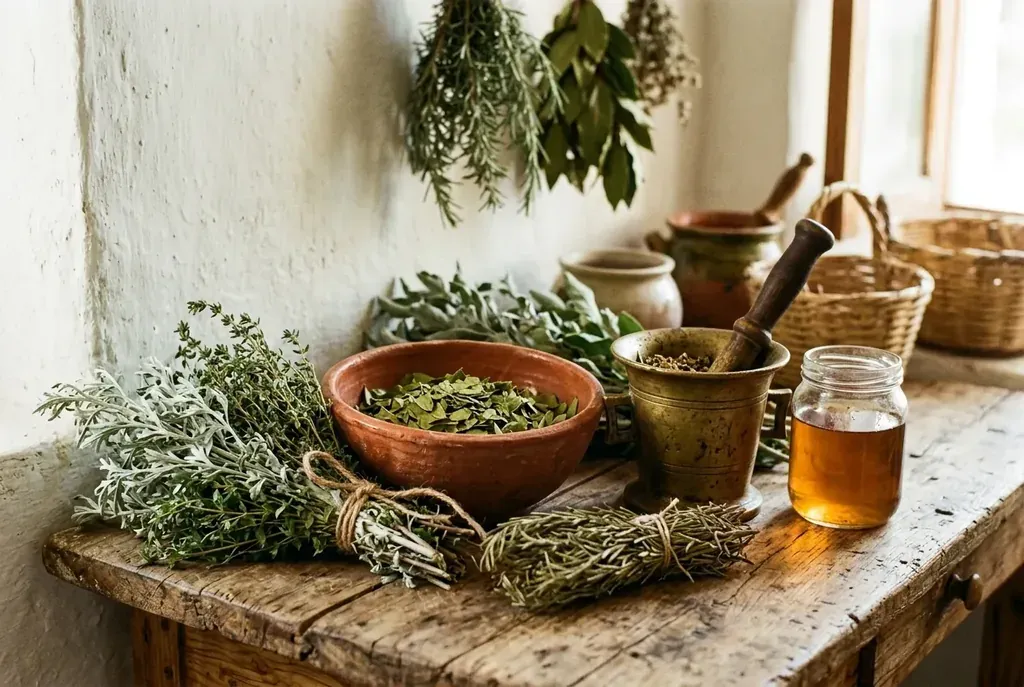
Incense, a captivating blend of plant resins, powdered herbs and essential oils, carries the senses away. These ingredients, drawn from nature, combine to create deep and beguiling aromas. Every blend is unique, offering a palette of fragrances that purify a space, encourage relaxation or lift the spirit.
The Earliest Uses of Incense
From the dawn of civilisation, incense left its mark. The ancients used it mainly in religious and spiritual rites. Over time its use spread, but its essence remained unchanged. It served to connect human beings to the gods, to purify places of worship and to make meditation easier. Those practices endure to this day, testifying to the power and permanence of the traditions built around incense.
Incense Through the Ages: A Cultural Heritage
A Journey Through History
Incense travels through time and space, weaving links between civilisations. In ancient Egypt, priests burned it to honour the gods and to accompany the dead into the afterlife. In China and India, its use also goes back thousands of years, serving both religious ceremonies and medicinal practices. Each culture shaped its own traditions, enriching the heritage of incense.
The Trade Routes
Trade routes played a crucial role, opening up channels of exchange between East and West. These itineraries did not merely carry precious goods such as incense and myrrh; they also encouraged the sharing of knowledge, ideas and beliefs. The incense trade thus contributed to the cultural and spiritual enrichment of societies, leaving a deep mark on the history of humanity.
Impact on Civilisations
The importance of incense went well beyond trade. It symbolised spiritual communication, purification and well-being, shaping religious and social practices. The incense routes not only shaped economies, they also wove indelible bonds between peoples, revealing the universality of the human quest for the divine and for harmony.
The Therapeutic Virtues of Incense
Beneficial Properties
Beyond its cultural heritage, incense shines through its many therapeutic virtues. It offers a range of benefits, from deep relaxation to improved concentration. Frankincense, for example, known for its ability to purify the air, also brings a sense of calm and inner peace. Sandalwood, for its part, encourages concentration and helps with meditation.
Impact on Well-being
Incense works on several levels. Physically, it can improve air quality and contribute to a feeling of relaxation. Psychologically, its fragrance can reduce stress and anxiety, fostering a calmer state of mind. Spiritually, incense helps establish a deeper connection during meditative or religious practice, strengthening the sense of unity with the divine.
The Right Choice for Maximum Benefit
Knowing how to choose your incense is essential if you are to enjoy its virtues fully. Natural incenses, made from pure ingredients, offer a richer and more beneficial experience. Depending on your needs, opt for specific types of incense: for relaxation, sandalwood or lavender; for purification, frankincense or sage.
At a Glance: Incense and Its Virtues
A summary overview of the incenses mentioned in this article and the effects associated with them:
| Type of incense | Main effect | Recommended use |
|---|---|---|
| Frankincense | Purifies the air, soothes, brings calm and inner peace | Purification, calm |
| Sandalwood | Encourages concentration, helps with meditation | Meditation, concentration |
| Lavender | Relaxing effect, helps reduce stress and anxiety | Relaxation, unwinding |
| Lemon | Revitalises, improves concentration | Energy, vitality |
| Citronella | Revitalises the mind | Energy, vitality |
| Sage | Purifies | Purification |
Holistic Health
Using incense as a therapeutic tool underlines the importance of caring for oneself holistically. By bringing incense into our daily lives, we can improve our general well-being, reduce our stress and cultivate a peaceful environment for our mental, physical and spiritual health.
Read also: 8 Soothing Thoughts for a Serene Night
A Practical Guide: How to Choose and Use Incense
Choosing Quality Incense
The key to enjoying the full benefits of incense lies in choosing quality products. Natural incenses, made from pure resins, plants and essential oils, offer a superior olfactory and therapeutic experience. Synthetic incenses, on the other hand, though often cheaper, may contain chemical components that are less beneficial to health. Favour natural incense, then, which ensures a clean burn and an authentic fragrance.
Burning Incense Correctly
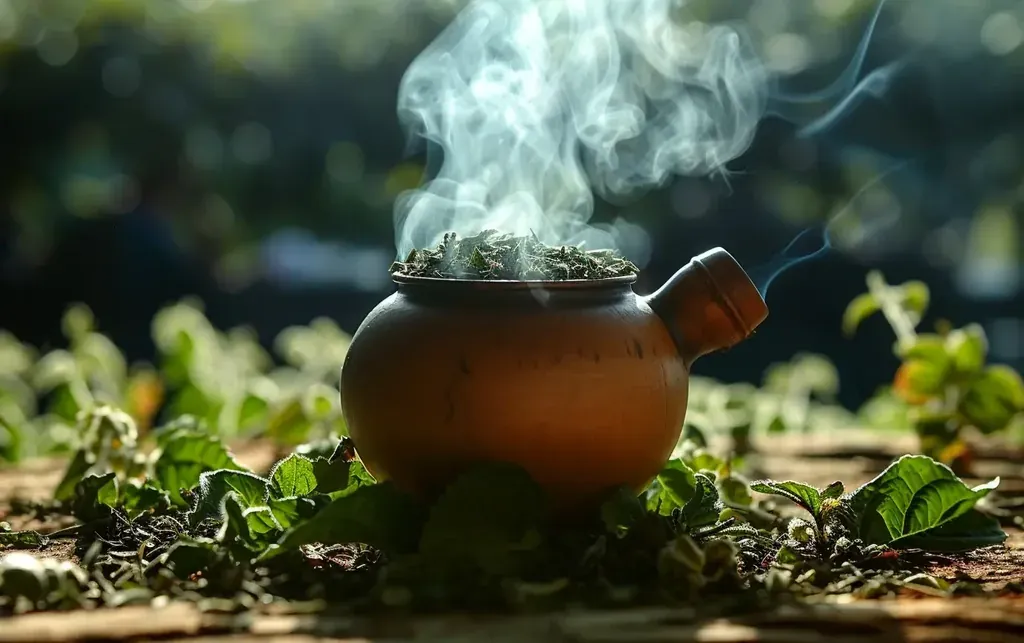
Burn it correctly to get the most out of it. Start by choosing a stable incense holder to catch the ash safely. Light the tip of your incense stick or cone, then gently blow out the flame so that the incense smoulders and releases its fragrance. The room will then slowly fill with aromatic smoke, creating an atmosphere conducive to relaxation and meditation.
Making the Most of the Experience
Be sure to air the room after burning incense so as to refresh the air. If you are using incense for meditation or relaxation, choose fragrances that match your intention, such as sandalwood for tranquillity or citronella to revitalise the mind. Used wisely, incense can transform your environment and your state of mind, helping you to experience moments of peace and well-being.
The Importance of Smell: The Forgotten Sense
The Role of Smell in Human Experience
Our sense of smell plays a crucial, though often underestimated, role in the way we interact with the world. It connects us to memories, influences our emotions and can even affect our well-being. Incense, with its varied aromas, acts directly on this sense, enriching our everyday and spiritual experience. By burning incense, we engage this forgotten sense, opening the door to a richer and deeper perception of our surroundings.
The Impact of Scents on the Brain and the Emotions
Scents have a direct path to the parts of the brain that handle our emotions and our memories. This is why the aroma of a particular incense can instantly carry us into a state of calm or of alertness. Studies show that certain incense fragrances, such as lavender, have a relaxing effect, helping to reduce stress and anxiety. Others, such as lemon, can revitalise and improve concentration.
Enhancing the Olfactory Experience With Incense
Bringing incense into our routine can therefore have a significant impact on our emotional state and our quality of life. By consciously choosing incenses for their aromatic qualities, we can create an environment that encourages relaxation, energy or concentration, according to our needs. This reaffirms the importance of smell, reminding us to pay attention to this powerful sense and to value it in our daily lives.
Conclusion
We have navigated the history, the benefits and the contemporary use of incense, highlighting its essential role across the ages and across cultures. From its therapeutic virtues to its impact on smell and on overall well-being, incense stands out as a precious tool for improving our daily lives.
We encourage you to experiment with incense in your own life, whether for meditation, for relaxation, or simply to purify your space. Let yourself be guided by the aromas that speak to you and discover for yourself their positive effects on your well-being.
Share your experiences or ask your questions in the comments. Your personal stories can inspire and guide others in their exploration of incense. Together, let's rediscover this ancient treasure and bring its benefits into our modern lives.