The 16th edition of Siat, the international agricultural investment show, is being held in Tunis from 28 to 31 October and puts the spotlight on farm innovation. It’s an event that concerns women directly, since they make up 35% of the rural population and 75% of the agricultural workforce in Tunisia.
What is Siat 2026?
female agricultural labourers earn less than half the average wage of their male counterparts
The 16th edition of the International Agricultural Investment and Technology Show (Siat) will be held in Tunis from 28 to 31 October 2026. The event brings together agricultural players around the investments and technologies shaping tomorrow’s sector.
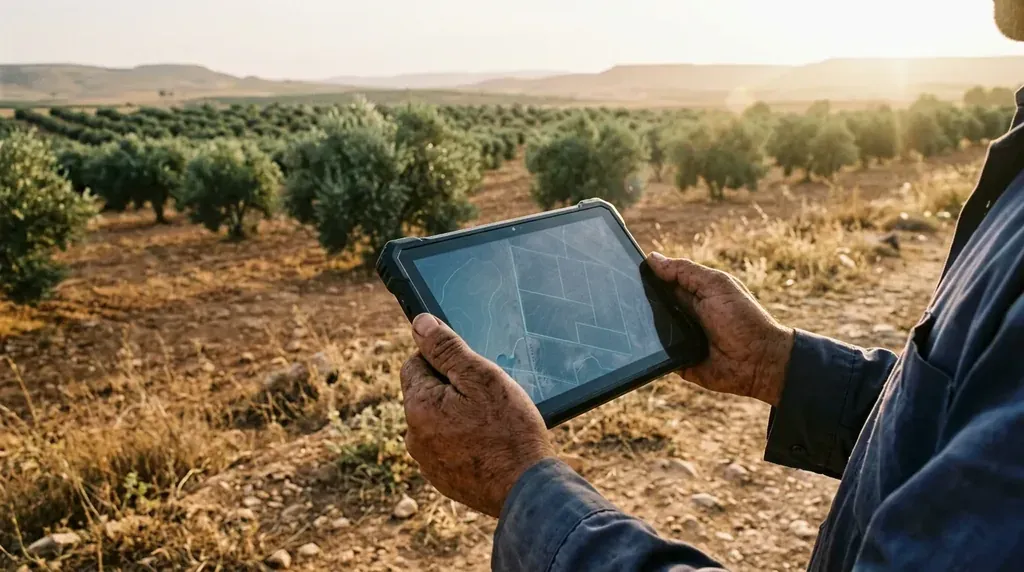
According to Kapitalis, this edition puts the focus on farm innovation: a common thread placing the modernisation of practices at the heart of the show’s discussions.
What role do women play in Tunisian agriculture?
According to official figures, women make up close on 35% of Tunisia’s rural population. This demographic weight puts the farming question squarely in women’s hands from the outset: they are a structural part of the countryside, and the directions set at Siat 2026 concern them directly.
This demographic presence comes with an even sharper economic weight: according to the same official figures, women make up more than 75% of the agricultural workforce. In other words, the daily work of the land in Tunisia rests largely on their shoulders.
What inequalities remain for women farmers?
Behind the talk of farm innovation, one figure stands firm: female agricultural labourers earn less than half the average wage of their male counterparts. A gap that weighs on the daily lives of the women who keep farms running, and one that won’t close on its own as the show’s editions go by.
Access to resources also remains largely out of reach: barely 12% of rural women benefit from it. The innovation showcased on the stands is only worth something if it reaches down to the hands that actually work the land. Siat 2026 would do well to put this gap among its priorities, just as much as its new technologies.
Siat 2026 aims to write the future of Tunisian agriculture, but that promise will only hold if it also speaks to the women who already carry the bulk of it today. On the ground, female agricultural labourers earn less than half the average wage of their male counterparts: it’s this gap, more than anything on any stand, that still needs closing.
Also worth reading on La Sultane
Chery Arrizo 8: The New Premium Saloon Causes a Stir in Tunisia
Ramadan 2025 at the Mövenpick Hôtel du Lac Tunis
Houita, the Benchmark for Farmed Fish in Tunisia
Hôtel Kyriad Prestige Tunis Opens Its Doors in the Heart of the Capital