Editor's letter
To live in, actively
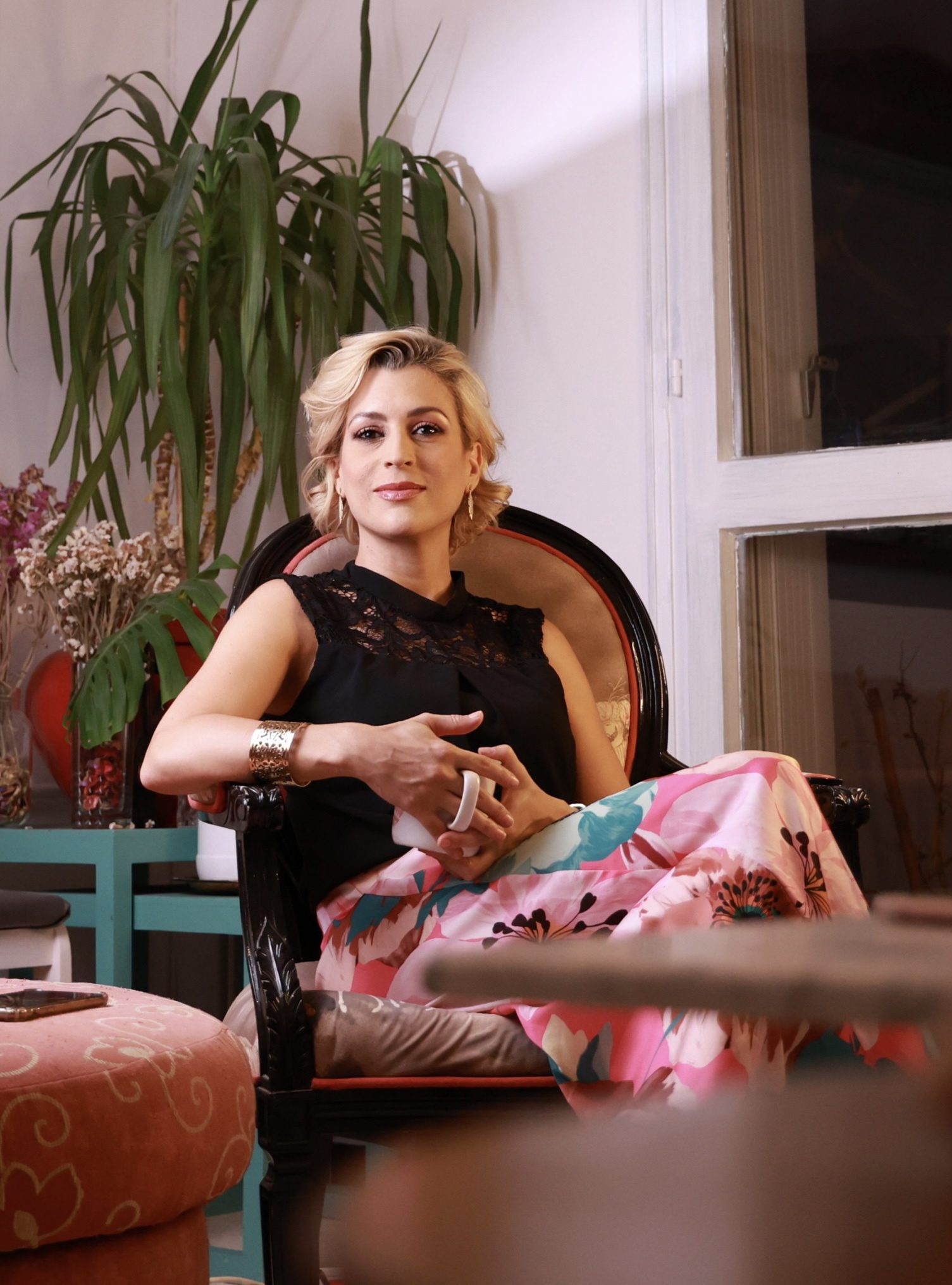
There is an hour in summer houses that nobody asks for. Mid afternoon. The light has stopped striking and has not yet begun to fall. The shutters went down at noon and stayed down. The floor tiles are still holding a little of the night's cold, the way they always do, stubbornly, for another hour. Someone has left a glass on the low table, a book face down and open, a towel drying over the back of a chair. The house is empty and the house is full. Perhaps that is all it means to live somewhere : to leave traces you never catch yourself leaving.
You can spend years in a place and never quite arrive. Sleep there. Keep your things there. Pay the rent, and stay on the threshold the whole time. To occupy is to take up a space. To inhabit is a rougher bargain : you agree that the place will work on you in return. The house you live in learns what time you wake, which side of the table you walk around, which door you never quite close. It studies us while we assume we are only using it.
Summer makes all this visible. We live differently in the heat, more slowly, closer to the ground, alert to every place where the air moves. We drag the chairs around to follow the shade. We eat later. We sleep where it is cool rather than where sleeping was planned. Heat takes the order of a house apart and uncovers another one underneath, older and more accurate, in which no room is judged by its function and every room is judged by what it does to the body. Our grandmothers knew that geography better than any architect's drawing.
Then there are the thresholds. The doorstep crossed barefoot. The scorching tile of the terrace. The curtain pulled aside that swings back into place behind you. Summer is a season of passages more than of rooms : always going in, always coming out, hunting the cool, coming back. To inhabit is never a settled state. It is a movement remade every morning, without thinking, and it stops the instant you stop being present in it.
Because walls are not the only thing we live in.
You live in a body, and you know perfectly well whether it belongs to you today or whether it is simply carrying you from one obligation to the next. You live in clothes, which are either a skin or a costume, and by mid morning the difference has made itself felt. You live in bonds : a marriage, a friendship, a family, which can be held the way a post is held, or genuinely lived in. You live in a job, a city, a language. Everywhere, the same question comes up, and it never comes up loudly. Am I here, or am I managing my presence here ?
The difference is hard to name because none of it shows from the outside. Two women can go through the same day, hour for hour, the same load, the same repeated gestures. One passes through. The other inhabits. Nothing in the diary tells them apart. Everything left standing at nightfall does.
I do not think this is a question of available time. I have known very crowded stretches when I was entirely present, and quiet months when I was absent from my own life and did not notice. Nor is it a question of place. You can inhabit a shared room and drift through a large house, and it would be too easy, and rather unfair, to make any of this depend on what a woman owns. What it resembles is a decision, made and made again, usually a very small one. Sitting down properly. Looking at what you are looking at. Answering the person in front of you rather than the idea you have of her.
So I find myself asking, for this month of August when everything slows a little : what are you really living in, right now ? And what are you merely occupying, for want of the time to settle into it ?
There is no right answer to that, and certainly no final one. We lose the thread, we pick it up again. We leave places we were sure we lived in. We come back and settle into places we had walked through a hundred times without seeing.
This issue follows that thread, from the body to the walls, from skin to cities, from clothes to bonds. It will not tell you how to inhabit anything. It looks at how we are already doing it, and what that costs us, and what it gives back.
The door is open, and it is cooler inside.
Houda Chouk